

 Facebook
 X
X
 Pinterest
 Copy Link
7 Tips to Help Your Real Estate Business Thrive in the Middle of a Pandemic

Earning an income from the comfort of your couch sounds like a dream, doesn’t it? I personally have friends who have applied for remote-only positions, hoping to get the opportunity to do that very thing. Ask any of my real estate friends why they chose a career in real estate, and almost all of them will likely tell you they wanted to obtain a flexible schedule and they wanted the ability to work from home. What they quickly find out, though, is that the job requires them to be out and about more often than they originally anticipated due to meet and greets, buyer tours, listing appointments, staging days, open houses, and a plethora of other things that require them to be customer facing all the time.
So… what happens when working from home is no longer a luxurious option, but a requirement mandated by our government? What happens when real estate agents and brokers aren’t deemed as essential, so they are told to stop working immediately to slow the risk of COVID-19? Here are seven tips and tricks to real estate from home, for real.
Tip #1: Use Video Communication
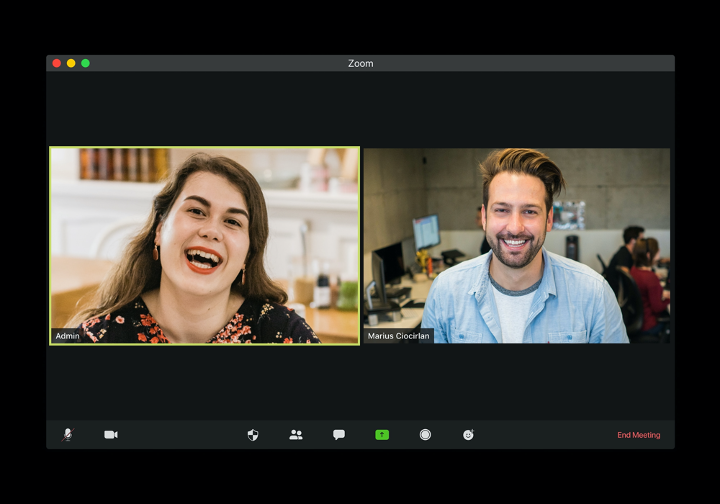
With stay-at-home orders in place across our nation, it is now more important than ever that you and your team familiarize yourselves with video communication sources such as Facetime, Facebook video, or GoogleDuo. Being able to continue to meet your clients “face to face” will help them feel more comfortable with the idea of having you as an agent because not only will they be able to put a face to the name, but video communication gives a more personal feel than a basic email. For those of you who are using MoxiPresent, did you know that you can embed video elements into your created presentations? Try adding rich media to your bio or neighborhood news and see what kind of response you get!
Tip #2: Virtual tours & video walkthroughs

The housing market has been affected by COVID-19 as a result of a variety of factors, but more so because buyers are scared of meeting their agents at a home for a tour due to the risk of potential spread of COVID-19. How do you show them a home without actually being there to open the door for them? Easy! Matterport, Zillow, and other 3rd party sources now offer you a way to create a 3D tour for your buyers. You can also use your cell phone to record a walkthrough of the property to give the customer a realistic sense of how the home feels. Both of these avenues allow your buyer to see the home, while still being able to social distance. You can then easily embed videos or create your own buyer tour within MoxiPresent.
Tip #3: Stick to individual home showings

The Center of Disease Control (CDC) recommends that people don’t have gatherings of six people or more to help stop the spread of COVID-19. Instead of hosting a large open house for potential buyers, try video communication (tip #1) or virtual tours (tip #2) to help. Some states consider real estate to be an essential business, while others don’t, which means you may or may not be able to conduct in-person showings. If your buyer is determined to see the property in person, don’t feel obligated to risk your health to show them a house this week. Try to reschedule as best as possible. That being said, if you decide to, you can schedule a time to do an individual showing. Just remember to keep your distance and take the necessary precautions to keep you, and your clients safe.
Tip #4: Your CRM is your friend

Regardless of whether or not you are working from home or in an office, one of the biggest mistakes that an agent/broker can make is forgetting about their CRM. For those of you who don’t know what that is, CRM stands for Customer Relationship Manager, which is a fancy term for a software system that allows you to manage client relationships and track data. We’ve seen first-hand how MoxiEngage helps real estate professionals stay organized even in the midst of all this chaos. Since it’s designed specifically for real estate, it allows agents to follow their sales flow and communication cadences set for each client in order to stay engaged with their sphere and maintain productivity, even in times of uncertainty. It’s all about keeping your book of business organized and to help fill your pipeline.
Tip #5: Visual and Online Marketing
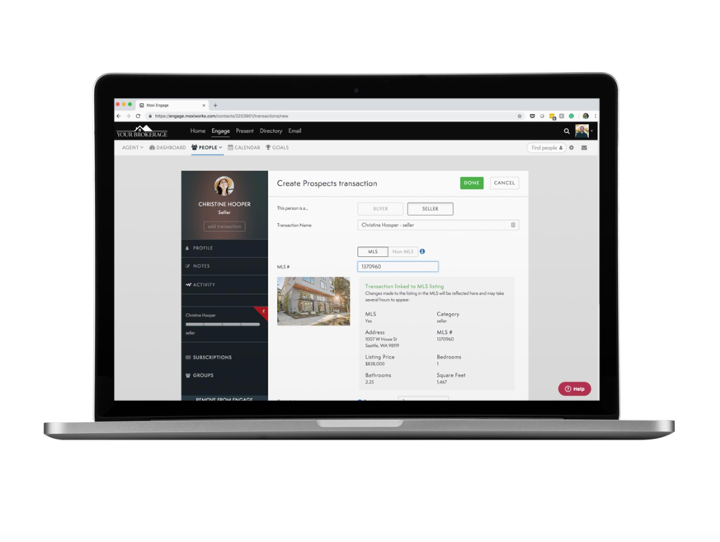
As we know, leaving the house isn’t really an option these days due to the COVID-19 pandemic. Sellers are wondering if putting their house on the market is even a good idea if nobody will be able to see it. As an agent, it is your job to guide them in the right direction and help them understand there are other ways people can see the home. Marketing that home in ways that can highlight the property visually, is key. For example, MoxiWorks provides you with marketing materials that you can use the moment your listing hits the market. These materials are focused on providing real time property data and are highly visual, creating an engaging experience for recipients. If your buyer is more traditional, feel free to print out the PDF and send them a flyer. If your clientele is younger and more tech savvy, leverage email templates and pre-populated posts for different social media platforms to ensure maximized exposure.
Tip #6: Utilize your Seller

Most of us are stuck in our houses with kids, pets, and chaos, so finding a time where your seller is not home is very unlikely right now. Instead of hiring a staging company or scheduling a time where the owners can take a walk with their dog so you can show the property, use your seller and their “free time” to your advantage. Ask them to capture videos of certain rooms for you. I’m sure they would be happy to help if it allows them to sell quicker!
Tip #7: Provide a personal touch

Have you ever walked through a store in the mall, just to browse and get a feel of what was there, or to waste time while you’re waiting for your watch to be engraved? Most of the time we get that sales associate who comes up, asking if we are searching for something specific and won’t leave us alone, even though we tell them we’re “just looking.” As consumers, we don’t like to be sold, especially in times of uncertainty. Reach out to your prospects and clients with a simple goal: To ensure they are safe and healthy, and to let them know you’re thinking of them and wishing them the best. Too many people want to force a sale, not enough of them want to take the time to connect on a human level. Don’t forget that sometimes just a simple smile or hello can go a long way.
3 Social-Distancing Friendly Alternatives to Your Typical Day in Real Estate

We’re in this together — separately. Real Estate has always been a relationship-first type of industry, and during this situation, many agents and brokerages have gotten creative in pivoting to social-distancing friendly alternatives to their typical day in real estate. We’ve put our heads together to come up with 3 new ways to conduct your typical flow of business.
Number One – Buyer Seminars
Brokerages Holding Buyer Q&As or First-Time Homebuyer Seminars
You know the drill: an agent looking to drum-up buyer business partners up with a loan officer, orders a bunch of pizzas, and walks a group of neighbors and friends through all the ins and outs of home ownership. Those clients leave feeling less afraid of buying their first home and ready to evaluate their buying power. But, if we shouldn’t have people gathering in groups – especially in public spaces and sharing food – how do we recreate that atmosphere?
Instead?
Host a Facebook Live Happy Hour to answer questions live for your sphere.
Agents for their sphere, or Brokerages for your entire company — start up a regular cadence of providing this kind of information virtually. Recreate the laid-back mood of pizza in a lounge by setting up a time that you’ll be Live on Facebook to answer questions and share info. Invite your friends and followers to ‘BYOS’ (bring your own snacks) and submit their questions through the comments section.
Number Two – The Pop-By
Dropping off ‘Pop-by’ Gifts for Your A-list Clients
A thematic pun, a thoughtful gift — this classic sales tactic perseveres because honestly, who doesn’t enjoy giving and receiving presents? However, now is not the time to be out and about, ringing doorbells or knocking on doors. We need to respect that some homes have residents whose immune systems need to be protected at all costs.
Instead?
Send a digital gift card to your typical pop-by recipients.
Many large brands, but also a lot of small businesses, offer digital purchase and delivery of gift certificates. What are your clients probably looking for right now: Groceries? Entertainment? Send them a gift card for grocery delivery or to download a new eBook or movie!
Number Three – SOI Groups
Staying Top-of-mind by Staying in Sight
If your communication strategy depends on regularly scheduled meetings, you may have to pivot how you stay in touch with those individuals. Perhaps your business revolves around a community that you regularly meet with — outside of real estate. Many agents have spheres of business that involve their religious congregation, a work-out group, children’s sports team, or other gathering that is now on hiatus due to distancing orders.
Instead?
Same Sphere, New Routine
Bring those groups together virtually, and be the shepherd that facilitates camaraderie and communication. Maybe your weekend bike-ride buddies can’t come out, so jump on a video chat and reminisce about some of the best trips you’ve taken. Got a group that normally goes to yoga? Ask your yogi to host a personal live video class for you and your crew!
What do I do now?
Just because we’ve had to change the ways we communicate and engage, doesn’t mean you need to fundamentally change the way you do real estate business. Here’s an exercise. Get a motivating beverage, sit in a comfy chair and do the following.
- Get out a sheet of paper and pen (or the doodle app on your smart device, whatever) and make a rough itinerary of a typical day-in-the-life of your business. Or – even better – what do you wish a typical day was like?
- Then, look at each activity and think about a creative way to engage your sphere virtually or digitally.
- Third step? Do it.
Now is the best time to try something new. We’re all more forgiving and understanding during the current crisis. We all enjoy something outside the mundane when we’re getting itchy waiting for this ‘storm’ to pass.
Did it succeed? Share your story! Did it flop? Learning opportunity.
BONUS TIP:
Consider investing in the human element of your business. We’re all in this together, and for many that means ‘paycheck-to-paycheck’ isn’t even an option. Were you working with first-time homebuyers that may now need rent assistance? Find all of your community resources and be an advocate for your eventual-client to stay solvent so that when the time is right, they will qualify for their mortgage. You are their expert in real estate, their guide, and you can do that before and after a transaction – not just during.
Looking for more guidance? Explore MoxiWorks resources specifically around productivity, education, and positivity during the COVID-19 situation.
April 2, 2020 | June Laves, Sr. Marketing Manager
Real Estate Presentation: 16 Ways to Use MoxiPresent

By Tiana Baur, Marketing Manager
The word “iconic” is defined by Merriam-Webster as: “widely recognized and well-established” or “widely known and acknowledged especially for distinctive excellence.” Based off the fact that over 130,000 agents nationwide use MoxiPresent (a powerful tool for creating any real estate presentation) and on average, agents who use it enjoy 43% more business, it’s safe to say this presentation tool is iconic.
But if you’re skeptical and those jaw-dropping statistics aren’t enough to wow you, then we’re going to show you exactly why this tool is so loved and used industry-wide. And it all centers around the fact that this tool can be used for real estate presentations in an infinite number of ways, with ease.
For starters, here are 16 different ways to use this insanely awesome real estate presentation tool, known as MoxiPresent:
-
Listing presentations
This one is obvious, but of course, it makes the list! A vital component to any real estate presentation tool.
-
Neighborhood tours
The look and feel of a house is just as important as the neighborhood it lives in. Help your clients explore their potential new neighborhood and life in a creative way.
-
Relocation presentations
Similar to above, but for those clients and prospects that are trying to get a feel for their new town, city, or neighborhood, it’s a great way to help clients already feel at home!
-
Open houses
Your open house deserves a dedicated presentation, don’t you think? MoxiPresent makes it super easy with eye-catching layouts and easily added interactive content like video, gifs, and more.
-
Buyer presentations
A “given,” but nonetheless, just as important!
-
Buyer tours
With MoxiPresent you can also easily create dynamic buyer tour presentations that guide clients along a curated buyer tour, enabling them to rate and comment on properties along the way, offering agents immediate feedback that won’t be forgotten once you hit the coffee shop!
-
Airserver them
Airserver your presentation on to the home’s TV at an open house. This will not only show how tech-savvy you are, but it will keep passer byers at the open house that much longer.
-
Get hyper-local
Agents can create a market report for specific areas, kind of like our Neighborhood News features in MoxiEngage if you’ve heard of that, to serve up super hyper-local content. It’s a great way to take a snapshot and send it to folks in that area.
-
Calculate actual commute times
Thanks to our integration with Inrix, the Drive Time feature of MoxiPresent allows agents to visually demonstrate any commute-related questions clients may have, as well as highlight speedy routes as major selling points during listing presentations.
-
Listing flyers
MoxiPresent allows agents to easily make on-brand listing flyers with a few simple clicks. With listing data already available, agents simply select what to include and choose from a variety of eye-catching templates.
-
Advertise yourself
So, all of the great types of presentations we’ve listed so far can all be used in your online advertising efforts. How about if you’re trying to advertise an open house or a new listing, try linking the ad to your perfectly curated online presentation!? This is a great way to get some new leads and new buyers through the door. Don’t forget, if you need to update your presentations and already have it included in an ad campaign, it’s no issue. If you need to update it, the link stays live!
-
All reviews, all day long
Compile every single review you have – we’re talking written and video – into a presentation you can easily send along to those interested. Better yet, send it to your friends so they can help you network!
-
Make it your intro
Finding ways to differentiate yourself, your brand, your bio, etc. are hurdles every real estate agent must face. Instead of a traditional bio, create a mini “get to know me!” presentation. Include your work experience, some fun facts, your amazing client testimonials, and a little video introducing yourself.
-
Put it on your postcards
Similar to our recommendation on online advertising, you can also create a custom link through Bitly or another source and track clicks to your listing presentations. This will help you see the ROI on your print materials and give your presentations one more outlet for having time to shine.
-
“Link in bio”
Update the link in your social media profiles to your latest open house or listing presentation so you’re constantly driving clicks and traffic!
-
Curate some case studies
Want to have an online magazine of sorts that shows all of your success studies? Show off your amazing track record and previous listings while showcasing your commitment with beautifully staged listing photos, videos, and more.
Real Estate Facebook Best Practices 2019: Part 2

By Jessie Trapp, Marketing Coordinator
We’ve all been there – you share a post on Facebook one day and it generates tons of likes, comments, and shares, yet the very next day your next update gets zero engagement across the board. It’s incredibly confusing and frustrating, so much so that it can be tempting to throw in the towel altogether. So, how do we standardize and, better yet, GROW the amount of engagement we generate on the channel?
There are several factors that play into how Facebook ranks your content and, in turn, how much engagement your posts generate. Here are a few of the major guidelines you should be aware of:
Real Estate Facebook Best Practices 2019: Engagement types.
The Facebook algorithm sorts every action your posts receive into two different buckets: active engagement and passive engagement.
Active engagement: A person engages with a post in a way that others can see. This includes commenting on posts, sharing posts, and reacting to posts. This kind of engagement is great if your goal is to increase your post’s reach and overall engagement.
Passive engagement: A person engages with a post, but not in a way that can necessarily be seen by others. This includes clicking on links, watching videos, and hovering over/previewing content. This is good if your goal is to have people simply consume your content or to drive people to your website by clicking on the links in your posts.
We aren’t the only ones who keep tabs on how many likes, comments and shares a post gets, Facebook does too. Specifically, it focuses on how many times followers actively engage with your posts. The more your posts receive this kind of engagement, the more Facebook assumes the content is interesting and valuable, and the higher the posts will be ranked. The higher your posts are ranked, the more exposure they’ll gain among your followers, their followers, and their followers’ followers.
How to increase your levels of active engagement.
In order to generate higher levels of active engagement among your followers, think of your Facebook page as one giant storybook. The more pictures, videos and images there are, the easier it is for viewers to follow along with the story, leading them to be more likely to engage with it. This is why Facebook favors visual content as opposed to other kinds of content such as simple status updates and links.
A few more variables to keep in mind:
Authenticity. Although Facebook likes engagement, it doesn’t want any old engagement – it wants it to be authentic and organic. Facebook is smart and can recognize when content asks people to engage in a spam-like, misleading way and quickly bumps it down in its lineup. This includes activities such as repeating posts, click baiting, and like baiting, so keep things real and avoid these poor practices.
Keep it simple. According to Hubspot, 88 percent of people use Facebook on mobile devices. If you want to encourage followers to engage with your content, you need to make it easy for them to consume. In addition to using visuals, keep the copy in your posts short and sweet.
Know when to post. Facebook bases its News Feed off of an algorithm that recognizes the time of day that you post, which contributes to where the algorithm places your content. Utilize the insights Facebook provides to gauge when your followers are the most active and post accordingly.
Invest in Facebook ads. Strategizing around this algorithm can only take you so far. Facebook is so crowded these days that leveraging Facebook ads is essential in order to develop any kind of significant following on the channel. Find a tool that allows you to put your ads on autopilot so it doesn’t become a tedious task on your to-do list.
Hope you enjoyed more Facebook best practices 2019! Click here to review part 1.
Need more tips on making the most of your real estate marketing? We’re here to help.
Real Estate Facebook Best Practices 2019 – Part 1

By Jessie Trapp, Marketing Coordinator
Changes to the Facebook algorithm tend to throw users of all types through a loop: brands, businesses, friends, and nowadays, probably even the tech-savvy grandma.
You work hard to fine-tune your social media strategy to drive the highest performance possible for your posts, yet it can be tricky to keep up with the current best practices for the platform. Regardless of frequent algorithm changes, there are several key factors that play into how your content is ranked that seem to remain consistent.
Here are the Facebook best practices 2019 for optimizing your real estate business’ Facebook page and posts:
1. Video rules all.
What should come as no surprise to social media diehards is, video outperforms virtually all other forms of content, so it’s best to use it whenever possible. In fact, Facebook videos have been found to earn 135% more reach and generate 59% more engagement than posts with only a single, still image.
A few more video stats:
- Optimal Facebook video length is 3-4 minutes
- Facebook video shares grew by 100% over the last year
- People spend 3x more time watching Live video than pre-made video
- 85% of people watch Facebook videos without sound
Need some help making killer videos for your social media? Check out these video tools.
2. Short & sweet.
Finding the balance between making your post copy short yet valuable can be difficult. However, considering that 88% of Facebook users are accessing the platform on a mobile device, formatting your content to make it easy to consume on-the-go is worth the effort.
According to a study done by BuzzSumo, keeping your posts under 50 characters is ideal for optimal engagement.
3. Conversation.
Over the past few years, Facebook has been vocal about shifting its algorithm’s focus to personal engagement, meaning the more conversation your posts generate, the better they will perform.
A few conversation-generating content ideas:
• Share a personal story
• Ask for reviews & feedback
• Post jokes and memes that your audience will appreciate
• Share a real estate-related statistic
• Take a poll
4. Post often.
Many Facebook pros have differing opinions when it comes to the “magic number” of times you should post per day in order to have the biggest impact possible, but research shows that posting twice per day is a great starting point.
With two posts a day, you’ll begin driving the levels of impressions and engagement you’re striving for and gaining insights into your follower base, without risking too many unfollows due to over-posting.
5. Know when to post.
Not all audiences are alike, so make sure to get familiar with yours. Use analytics tools to get a read on what times & days your followers are likely to be on social media and post accordingly. Here’s an in-depth overview of the built-in Facebook insights tools, along with a rundown of how to use them.
As a general rule, it’s been found that weekends and evenings tend to be the best times to post, although most businesses also post content outside of those windows, depending on the content type and general habits in their industry.
6. Keep it genuine.
To keep us honest, the Facebook algorithm favors posts that naturally generate likes, comments, and shares because of the awesome content in them, not because you directly asked your followers to engage.
Facebook scans for posts that explicitly ask for engagement and will rank them lower in your follower’s feed meaning less reach and impact for your biz, so make sure to avoid this risky practice.
Regardless of the amount of time and effort you choose to allocate to your business’ Facebook account, your time is valuable and it’s important to be strategic about making the most of the time you put into it. By incorporating these best practices into your content strategy, you’ll be generating a bigger impact while keeping your work load to a minimum.
We hope these Facebook best practices 2019 help! Want to extend your reach even further on Facebook? Great, we have exactly what you need.
Using Emotion in Your Real Estate Marketing Strategy

By Jessie Trapp, Marketing Coordinator
The drive that leads us to buy a Coke over a Pepsi or a Toyota as opposed to a Honda can be summed up in one single word: emotion.
Not only do emotions influence our choices, but it has been found that consumers often place a higher value on emotions when making purchasing decisions than they do the factual information related to those decisions (features, brand attributes, etc.)
Although this is yet another example of humans not necessarily being the most logical creatures, it’s how we’re wired. It means that the emotions that potential clients associate with you and your brand likely play a major role in whether or not they choose to work with you, regardless of your impressive closing record and swanky sales materials.
While every emotion could arguably help you strengthen your brand in some way or another, according to a study conducted by Unruly, advertising content that leverages four specific emotions have been shown to gain significant traction. Those emotions are:
- Happiness
- Warmth
- Inspiration
- Friendship
These seem to align perfectly with the major themes commonly seen in the real estate industry, so read on for our tips on using emotion for your real estate marketing strategy!
Happiness.
We all want to feel happy. As a brand, leveraging happiness in your marketing strategy gives you the chance to positively impact those within your sphere while strengthening your image and extending your reach at the same time.
You want your target audience to associate your brand with the positive, happy, and cheerful emotions that they’ll feel when you help them buy the dream home they’ve been searching for or get an unexpectedly high offer on their listing. This means that incorporating content specifically associated with happiness into your channels is essential. Funny gifs, videos, smiling faces, success stories, positive news articles, puppies, and sold houses should all be in the running.
Color psychology is also extremely powerful when it comes to triggering emotions, so make sure to keep it in mind when selecting colors for fonts and social content. When it comes to evoking happy feelings, orange and yellow will be your best friends.
Warmth.
Although professionalism is important, it’s also essential that your audience views you as being warm and approachable.
We all feel more comfortable with people that we know and can relate to, so make a conscious effort to humanize yourself as much as possible.
- Having a stressful day preparing for the holidays? Let your audience know. They’re probably in the same boat.
- Tried a DIY project that resulted in an epic fail? Share a video making fun of your attempt. They’ll appreciate the self-deprecating humor and might even comment an “LOL”. It’s all about encouraging engagement.
- Rescue a puppy? Post about it (a lot).
- Have a favorite feature of a listing that you just can’t stop thinking about? Record a video of you talking about it and include it in the listing presentation you send to your clients.
The more those within your sphere view you as someone they’d feel comfortable talking to and asking questions, the more likely you’ll be the one they want to work with throughout their buying and selling journeys.
Inspiration.
The awesome people that you have the opportunity to meet and the amazing stories that you get the chance to be a part of are undeniably two of the biggest perks that come with being a real estate agent.
If you ever find yourself working with clients who have a particularly inspiring story, consider sharing it (with their permission, of course). Highlight how far they’ve come, all it took to get there, and how you worked with them to find their dream home. Make your clients feel so inspired that they know you’re who they should come to when it comes time to buy or sell a house.
Friendship.
Just as it’s important to appear warm and approachable, it’s also important to come off as enjoyable to be around.
Not that you’ll necessarily want to be best friends with every client that you work with, but people would much rather work with someone they’ll enjoy going to open houses with. Make sure to include pictures of you AND your clients in front of sold signs, post about any fun gifts you send them, and highlight any “LOL” worthy moments. The more you show yourself being a good friend, the easier it will be for clients to feel confident that they’ll enjoy working with you.
Just to be clear, by saying that you should incorporate emotions into your marketing, we don’t necessarily mean that you need to cover your channels with sob stories and memes. Just make sure that you keep in mind the power of emotion and use it to craft your content accordingly – even if it’s in the smaller details such as formulating your color palette or choosing which images to include in your Facebook ads.
Want to see more tips for your real estate marketing strategy from the experts at MoxiWorks? Good, because we have plenty waiting for you!
4 Efficient Ways to Organize Client Contacts

By Maddie Jostol, Senior Marketing Manager
Your database of contacts is only as good as the data you put in. It is absolutely vital for real estate agents to keep their database up-to-date, complete, and well segmented in order to get full value out of it. Segmentation enables you to group your contacts based on requirements that fit your sales process. Reach the right people, with the right message, at the right time.
In MoxiEngage, for example, we call them Groups. Associate your contacts with certain groups so that you can effectively filter your database, include groups in marketing campaigns, or reach out to certain segments.
Below are four efficient ways to organize clients contacts in order to keep your database neat and tidy and reap all of its benefits.
1. How you know them
Have a bunch of contacts from your son’s years of playing select soccer? Or from the charity auction you help plan every year? Or maybe from that sewing class you go to occasionally? Whatever it is, consider grouping contacts based on how you know them. Not only will this jog your memory and help you keep track of the hundreds of people in your sphere, but it will also enable you to plan events that gather these like-minded people together, since most of them will know each other as well.
2. Interests
When you group people based on common interests, you can keep them engaged in ways that matter to them. Group together your dog lovers, your baseball fanatics, and those who like to fish. This way, you can send them tailored content that is relevant to them and their lives. When you go to host meet-ups or local events, you’ll know exactly who to invite, by reaching out to your groups with relevant interests.
3. Likeliness to buy
If you want a more fluid system, organize client contacts based on where they are in your sales funnel. Most agents already have a system in place, whether it’s a 1-2-3, A-B-C, or hot-warm-cold system. The key here is that you have to be committed to keeping your database updated and squeaky clean. This type of system only works if you keep these groups updated, so you’re sending the right people the right information. Nobody wants to receive a “have you considered selling?” email from an agent they just purchased a house with.
4. Past clients
This is your starting lineup. These are the people who are in your camp. They’re your biggest fans, who you should take particularly good care of. When you purchase a table at a charity event and can invite six people – this is the group you go to first. Or, when you host a community event, you add these people to the Facebook event invite because you know they’ll get everyone else excited about it. When you need new testimonials for your website, these are the people who are more than willing to take a few minutes to talk about their experience working with you.
Keeping in touch with your past clients is a vital piece to growing your repeat and referral business. When you have a well-organized, up-to-date database, your life as a real estate agent becomes infinitely more simple. Your marketing efforts go further and you see more engagement from your sphere of influence. After all, your sphere is the future of your business, so make sure you show it some care.
Video Tour or Virtual Reality – Are Both Necessary?

By Maddie Jostol, Marketing Manager
Virtual reality, augmented reality, 3D imaging, mixed reality – overwhelmed yet? These flourishing technologies are just getting started. Yes, even imagery and video are getting more advanced. If you think these things aren’t going to start seeping into your role as a real estate agent, think again. They already have. Don’t worry though – in many cases, they’re actually helping agents deliver a higher level of service to home buyers. The way we show spaces is no longer limited to open houses and still images – there’s a whole array of options for experiencing a space even when you aren’t physically in it.
First, let’s define VR and AR since they’re buzzwords that might be unclear.
Virtual Reality (VR)
Virtual reality is the more immersive experience, as a computer-generated simulation of a realistic situation. VR typically requires a headset display – yes, those big, futuristic-looking goggles. It immerses the user in an entirely new environment, so it is often used for gaming, entertainment, and training. Think: flight simulators.
Augmented Reality (AR)
Augmented reality does not close people off to their surroundings like VR does. In fact, it simply augments the user’s current surroundings, enhancing or changing aspects of reality. It adds new layers of content to reality in order to enhance a person’s experience. Think: Pokémon Go.
So, how are these tech advances working their way into the world of real estate? Here are a few ways.
Virtual Walk-Throughs
Create a virtual tour to show off a property. Rather than a prospective buyer having to drive out to the property and view it in person, a video walk-thorough can serve as an effective introduction to the property so they can decide if they’d like to take the next step. Services such as Matterport enable agents to construct 3D walk-throughs of a listing. Basically, it models the space so the viewer can experience the space just like they would in reality. 3D imaging offers a true experience, giving a potential buyer a true feeling for how the space is situated and laid out.
Tip: even if you don’t have a high-tech tool to accomplish a 3D walk-through, you can still add a video walk-through to your listing presentations. It lends a personal touch and enables the prospective buyer to truly experience the home and picture their own life taking place there. With the incredible quality of smartphone cameras now, you can accomplish this without investing in expensive video equipment.
Virtual Staging
Virtual staging is a rising trend in real estate – it means augmenting images of the home to enhance or update the  space. PadStyler, for example, specializes in virtual home staging and makes it especially simple for agents. Agents pay a flat fee for an image, and PadStyler does all the heavy lifting. A virtual staging service such as this is particularly important for properties that are outdated or have an undesirable curb appeal. Buyers are often quick to overlook properties that lack polish, and this is an easy way to help them visualize the property’s potential.
New Construction
Virtual reality is increasingly commonly being used for new construction. Companies such as Virtual Xperience and VR Global are using VR to bring properties to life before they’re built. Instead of making a decision purely based on plans and 2D mock-ups, prospective buyers are able to put on a VR headset and explore the home as if they were in it.
Whether or not you have access to these technologies, consider the trends and how you can improve your service to meet client expectations. The key here is to help buyers visualize their lives in a space, no matter where they are or what the current state of the home is. Put the property’s best foot forward and enable your clients to experience the home in its best light.
